
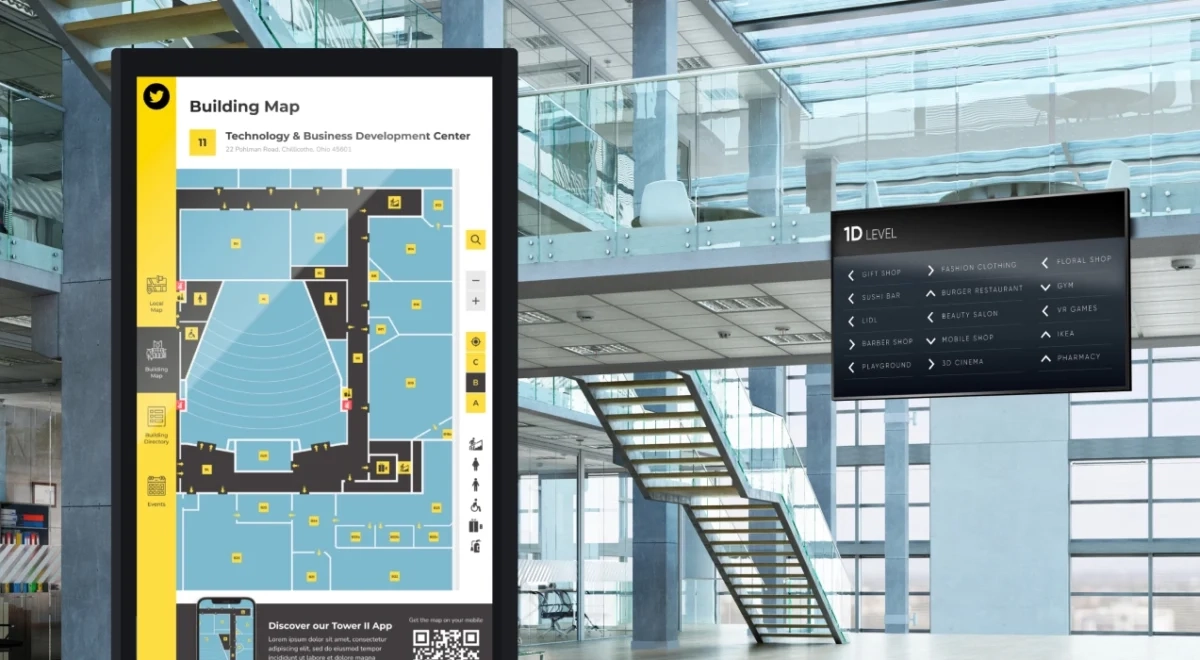
In today’s complex environments—shopping centers, hospitals, office buildings, airports, and large commercial complexes—people need to navigate spaces quickly and intuitively. This is where wayfinding signage becomes an essential element of modern architecture and design.
Effective wayfinding signage helps visitors understand where they are, where they need to go, and how to get there without confusion. Businesses and institutions that invest in professional wayfinding systems not only improve visitor experience but also strengthen their brand image and operational efficiency.
If you are planning a new building, renovating a commercial space, or improving visitor navigation, understanding the importance of professional wayfinding signage can make a significant difference.
What Is Wayfinding Signage?
Wayfinding signage refers to a system of visual communication elements designed to guide people through a physical environment. These signs help individuals navigate unfamiliar spaces by providing clear directions, identifying locations, and confirming that they are on the right path.
A complete wayfinding system usually includes several types of signage, such as:
- Directional signs
- Identification signs
- Informational signs
- Orientation maps
- Floor directories
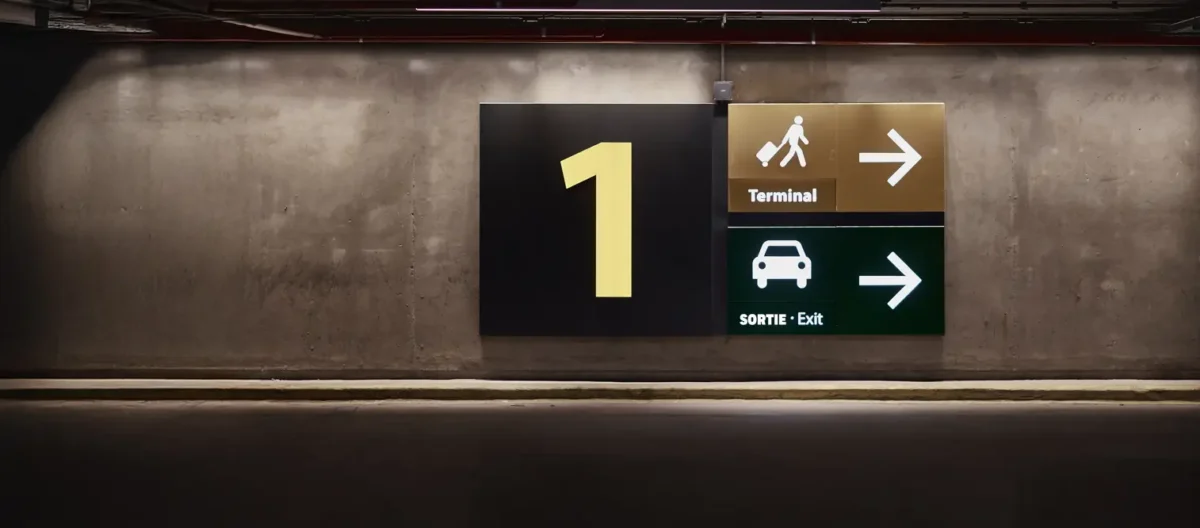
- Entrance and exit signs
The main goal of wayfinding signage is to reduce confusion and help visitors move efficiently through a space. When implemented correctly, it creates a smooth navigation experience that feels natural and intuitive.
Why Wayfinding Signage Is Important
Large buildings and complex facilities can easily become confusing without proper navigation systems. Poor navigation often leads to frustration, delays, and a negative impression of the location.
Professional signage solves these problems by creating a structured visual guide for visitors.
Some of the main benefits include:
Improved Visitor Experience
When people can easily find their destination, they feel more comfortable and confident in the space. Clear wayfinding signage removes stress and allows visitors to focus on their purpose rather than figuring out directions.
Increased Efficiency
In environments like hospitals, office buildings, and airports, efficient navigation saves time. Employees spend less time giving directions, and visitors reach their destination faster.
Stronger Brand Identity
Wayfinding systems can be designed to match a company’s branding, colors, typography, and overall design style. This transforms simple signage into a cohesive visual element that reinforces brand identity.
Better Accessibility
Professional signage also supports accessibility by helping individuals with disabilities navigate spaces more easily. Clear typography, color contrast, and logical placement improve usability for everyone.
Types of Wayfinding Signage
A complete navigation system usually combines several different types of signs. Each type plays a specific role in guiding visitors through the environment.
Directional Signage
Directional signs guide people toward specific destinations such as restrooms, exits, elevators, or departments. These signs are often placed at intersections or decision points where visitors need to choose a direction.
Identification Signage
Identification signs label specific rooms, offices, or departments. For example, conference rooms, reception areas, and meeting spaces typically have identification signs.
Informational Signage
Informational signs provide helpful details about services, policies, or available facilities within a building.
Orientation Signage
Orientation signs include maps or directories that help visitors understand the layout of the building and determine their current location.
By combining these elements, a comprehensive wayfinding signage system ensures that users always know where they are and where they need to go next.
Where Wayfinding Signage Is Used
Wayfinding systems are widely used across many industries and environments where navigation can be challenging.
Common locations include:
- Shopping malls
- Hospitals and medical centers
- Corporate office buildings
- Universities and schools
- Airports and transportation hubs
- Hotels and resorts
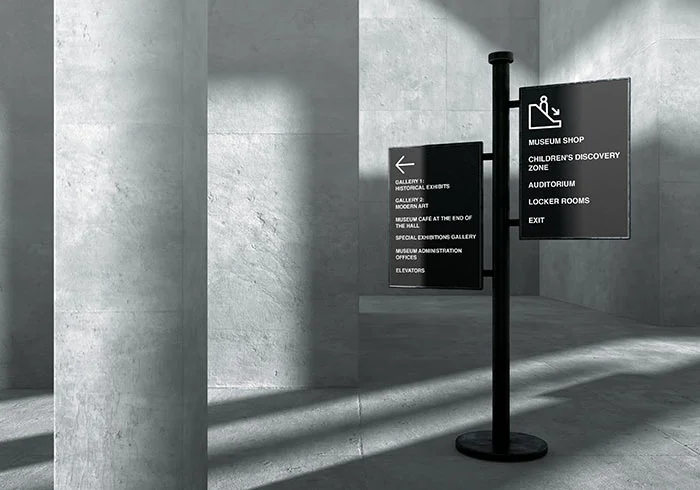
- Museums and cultural institutions
- Large residential complexes
In all these environments, clear wayfinding signage plays a critical role in improving user flow and reducing confusion.
Key Elements of Effective Wayfinding Signage
Designing an effective wayfinding system requires careful planning. It is not just about placing random signs—it is about creating a structured navigation experience.
Several elements are essential for successful wayfinding signage.
Clear Typography
Fonts must be easy to read from a distance. Sans-serif fonts and consistent letter spacing improve readability.
Consistent Design
All signs should follow a consistent visual style, including colors, icons, and materials. This creates a recognizable system that users quickly understand.
Strategic Placement
Signs must be placed at decision points where visitors need guidance, such as entrances, intersections, elevators, and stairways.
Universal Symbols
Icons and pictograms help communicate information quickly and are especially useful for international visitors who may not speak the local language.
Proper Lighting and Visibility
Signs should be well-lit and positioned where they are easily visible without being obstructed by other elements.
Custom Wayfinding Signage for Modern Architecture
Modern buildings often feature complex layouts and multiple levels, making navigation more challenging. Custom wayfinding solutions are designed specifically for the architecture and user flow of each location.
These systems can include:
- Wall-mounted directional signs
- Suspended ceiling signage
- Illuminated signage
- Freestanding directory boards
- Interactive digital directories
Custom designs ensure that the signage integrates seamlessly with the building’s aesthetics while remaining functional and easy to understand.
Professional signage manufacturers analyze traffic flow, architectural plans, and visitor behavior before designing a complete system.
Why Professional Wayfinding Signage Matters
Many organizations underestimate the importance of navigation systems until visitors start getting lost or asking for directions. Investing in professional wayfinding signage from the beginning prevents these issues and enhances the usability of the entire space.
A well-designed system improves first impressions, reduces operational inefficiencies, and creates a more welcoming environment for visitors.
Companies specializing in wayfinding can design, manufacture, and install customized solutions tailored to the specific needs of each building.
Improve Navigation with Professional Wayfinding Signage
If you want to improve the visitor experience in your building, implementing a professional wayfinding signage system is one of the most effective solutions.
From corporate offices and hospitals to shopping centers and public spaces, clear navigation systems help people move confidently through complex environments.
To learn more about custom solutions and professional signage systems, explore the dedicated page for wayfinding here:
A well-designed wayfinding system does more than guide people—it creates a better experience for everyone who enters the space.