
In today’s fast-paced digital world, businesses need powerful ways to capture attention and communicate messages quickly. One of the most effective technologies used across industries is LED displays. From retail stores and shopping malls to stadiums, events, and corporate offices, LED screens have become a fundamental tool for modern visual communication.
Their ability to deliver vibrant colors, high brightness, and dynamic content makes them far superior to traditional printed signage. Companies that invest in LED technology gain a competitive advantage by creating engaging visual experiences that attract customers and strengthen brand visibility.
In this article, we will explore what LED displays are, how they work, their main advantages, and why they are becoming essential for businesses looking to stand out in crowded markets.
What Are LED Displays?
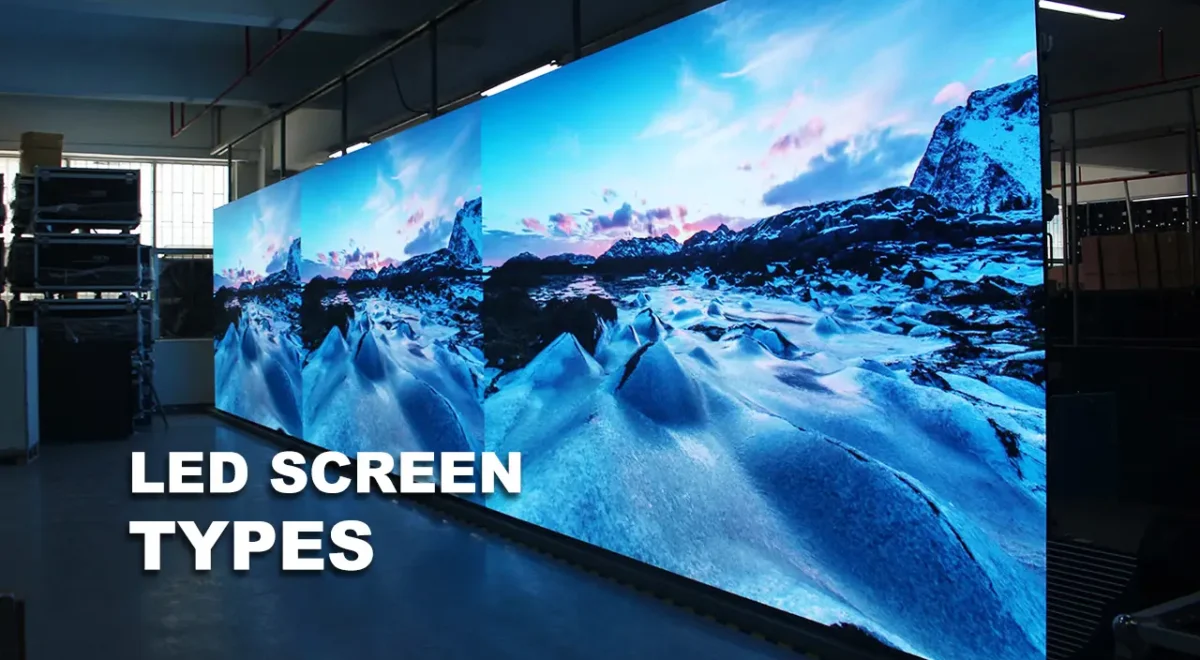
LED displays are digital screens that use Light Emitting Diodes (LEDs) to produce images, videos, and animations. Unlike LCD screens that rely on backlighting, LED displays generate their own light, resulting in higher brightness, better contrast, and improved energy efficiency.
These screens are made of thousands or even millions of tiny LED modules arranged in panels. Each LED works like a pixel, and together they create high-resolution images that can be viewed clearly even from long distances.
Because of their modular structure, LED displays can be customized in almost any size or shape. This flexibility allows them to be used in various environments, including:
- Outdoor advertising billboards
- Indoor retail displays
- Event stages and concerts
- Corporate presentations
- Digital signage in shopping centers
- Sports stadium scoreboards
- Trade shows and exhibitions
Their versatility and scalability make them one of the most powerful digital communication tools available today.
Key Advantages of LED Displays
1. Exceptional Brightness and Visibility
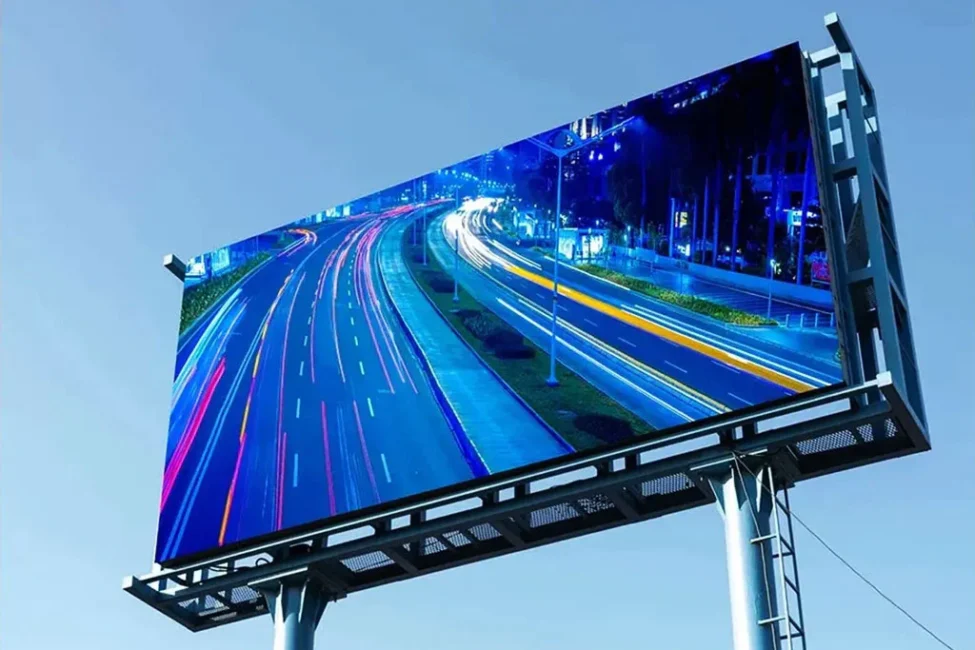
One of the biggest advantages of LED displays is their outstanding brightness. Even under direct sunlight, outdoor LED screens remain clearly visible. This makes them perfect for advertising in busy urban areas where visibility is critical.
Indoor LED displays also benefit from adjustable brightness levels, ensuring that content remains comfortable to watch without overwhelming viewers.
2. High Image Quality
Modern LED displays deliver impressive image quality with vibrant colors, deep contrast, and smooth video playback. This makes them ideal for showing:
- Promotional videos
- Product presentations
- Live broadcasts
- Interactive visual content
High-resolution LED screens can create immersive experiences that grab attention and keep audiences engaged.
3. Energy Efficiency
Despite their brightness and performance, LED displays are surprisingly energy efficient. LEDs consume significantly less electricity compared to traditional lighting technologies.
For businesses that operate screens for long hours, this efficiency can lead to lower operational costs while maintaining excellent visual performance.
4. Long Lifespan
LED technology is designed to last for many years. High-quality LED displays can operate for 50,000 to 100,000 hours, depending on usage and maintenance.
This durability makes them a reliable long-term investment for businesses looking to build a consistent visual presence.
5. Flexible and Customizable Design – Led Displays
Unlike conventional screens, leds can be assembled in different shapes and sizes. They can be installed as:
- Large outdoor billboards
- Curved displays
- Transparent screens
- Video walls
- Creative architectural installations
This flexibility allows companies to design unique visual environments that reflect their brand identity.
Where LED Displays Are Used
The popularity of those displays has expanded rapidly because they can be used in almost any industry.
Retail and Shopping Centers
Retail stores use LED displays to showcase promotions, highlight new products, and attract customers passing by. Bright, moving visuals naturally draw attention and increase foot traffic.
Events and Entertainment
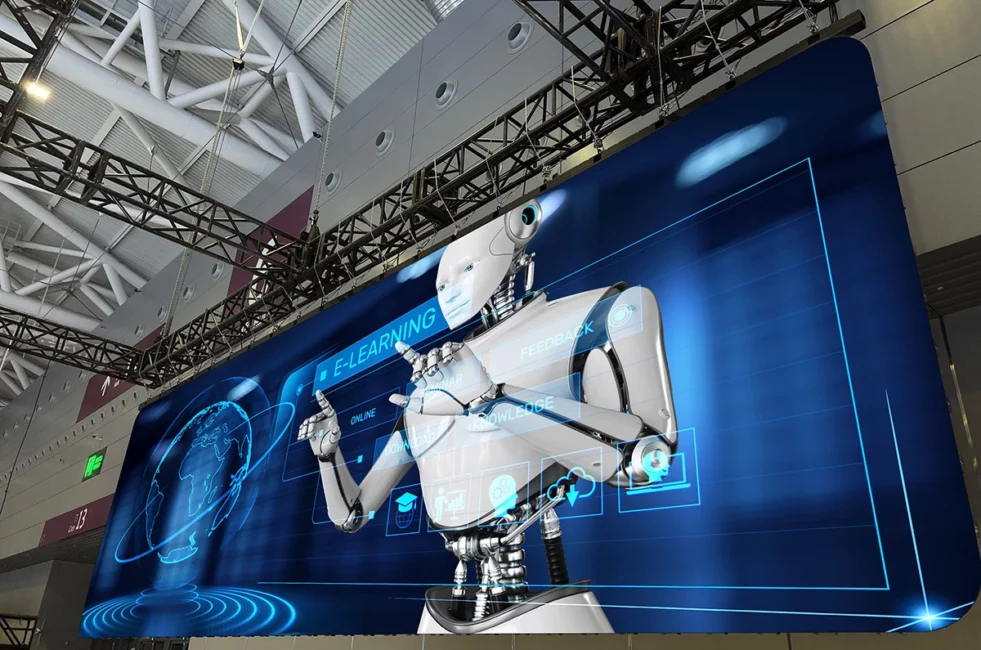
Concerts, festivals, conferences, and exhibitions rely heavily on LED displays for stage visuals and live video broadcasting. Large LED video walls create spectacular visual effects that enhance audience engagement.
Corporate Environments
Businesses are also integrating LED displays into meeting rooms, lobbies, and presentation spaces. These screens provide an impressive way to display company information, presentations, and branded content.
Outdoor Advertising – Displays
One of the most powerful uses of displays is digital outdoor advertising. LED billboards can display multiple advertisements, rotate content throughout the day, and update campaigns instantly.
This flexibility makes them a preferred choice for modern advertising strategies.
Why Businesses Are Switching to LED Displays
Traditional printed banners and static signage are becoming less effective in a world where consumers are constantly exposed to digital content. LED displays provide a dynamic alternative that allows businesses to update messages in real time.
With digital content management systems, companies can schedule advertisements, display live information, and adapt their marketing campaigns instantly.
For example, a restaurant can promote lunch offers during the day and dinner specials in the evening using the same LED screen. Retailers can highlight seasonal promotions or flash sales without printing new materials.
This adaptability makes displays a cost-effective marketing solution over time.
The Future of LED Display Technology
The technology behind LED displays continues to evolve rapidly. Innovations such as micro-LED, transparent LED screens, and flexible LED panels are expanding the possibilities of digital signage.
Higher resolutions, thinner panels, and improved energy efficiency are making displays even more attractive for businesses looking to invest in long-term visual solutions.
As cities become more digitally connected and brands compete for attention, displays will play an increasingly important role in how information and advertising are presented.
Conclusion
LED displays have transformed the way businesses communicate with their audiences. Their brightness, high image quality, flexibility, and long lifespan make them one of the most powerful tools for modern visual communication.
Whether used for retail promotions, corporate presentations, event production, or outdoor advertising, displays offer unmatched versatility and impact.
Companies that adopt this technology can create visually engaging environments that attract attention, strengthen brand identity, and deliver messages more effectively than traditional signage.
As digital communication continues to grow, investing in displays is not just a trend—it is a strategic decision that helps businesses stay relevant in an increasingly visual world.