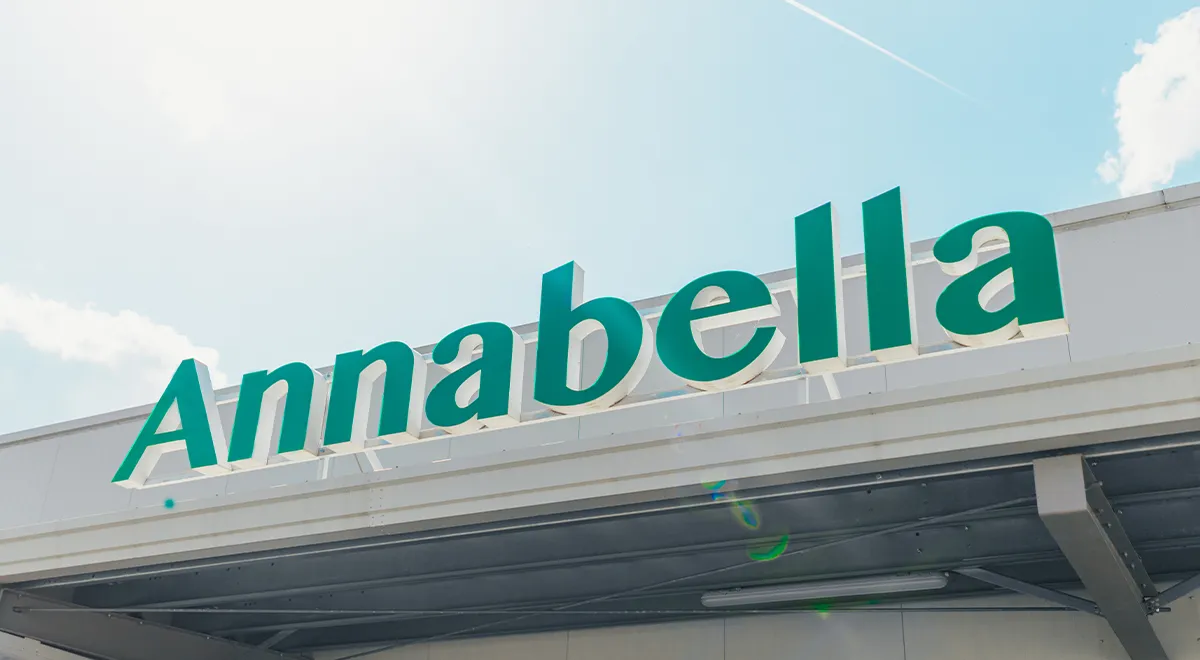
Your client has a good product, a clean store, and a fair price. And people still walk past. The problem is rarely the offer. It is that the storefront says nothing from the sidewalk.
If you resell, specify, or roll out signage, this is the question your clients actually ask before they sign off on a quote: will this bring me customers, or is it just a cost? This article gives you the answer, and the argument, backed by research. Not theory. The mechanism.
Your client’s storefront sells before anyone walks in
The decision to enter a shop is made in seconds, from the pavement, before a single product is seen. In those seconds, the passer-by reads one thing: how serious the place looks.
A storefront with no clear, legible identity sends the wrong signal. The passer-by does not know what is sold, does not know if the place is open, does not know if it is worth stopping. So they keep walking. Not because the offer is weak, but because it never reached them.
For your clients, the storefront is not an image expense. It is their first salesperson, and it works around the clock, including when the store is closed. That is the frame that turns a signage quote from a cost into an investment.
What the research says
This is not a hunch. The link between on-premise signage and revenue is one of the most studied questions in the industry. Research compiled by the International Sign Association (ISA) on the economic value of on-premise signs documents measurable lifts in customer counts and sales when businesses improve the visibility and quality of their storefront signage.
The takeaway for a reseller or agency is simple: you are not selling decoration. You are selling a proven driver of foot traffic. That reframes the conversation with every client who hesitates at the price, and it gives you an answer grounded in evidence rather than opinion.
How illuminated channel letters convert foot traffic into customers
Not every storefront sign performs the same. A flat vinyl decal disappears. An unlit sign vanishes after dark. Illuminated channel letters work differently, for three concrete reasons.
Day-and-night visibility
Good LED channel letters are legible at 8 a.m. and at 10 p.m., equally clearly. That effectively doubles the hours the storefront works. Neighbouring stores with unlit lettering disappear after sunset. Your client’s stays lit, so it stays in the mind of the person who passes in the evening and returns the next day.
Illuminated signage is, literally, advertising that never switches off. Paid once, it works for years, with no recurring media cost.
The 3D effect
The human eye reacts to depth and shadow. A flat sign is read; a three-dimensional letter is noticed. Volume creates shadow, depth, and the sense that the brand has substance rather than a sticker applied in a hurry. On the pavement, that is the difference between a storefront people pass and one that turns heads.
Brand perception
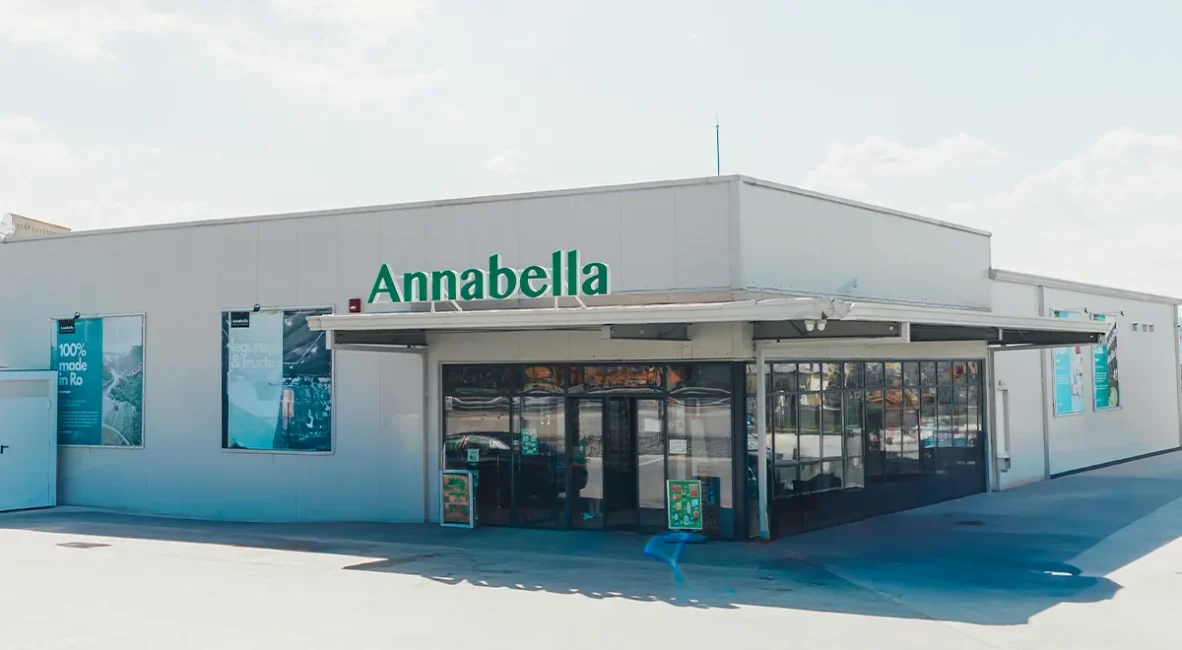
A storefront with properly installed LED channel letters reads as established, invested, open for business. It communicates, without words, that the brand is here to stay. Customers do not rationalise this, but they feel it, and that trust converts into steps toward the door.
The ROI math
The mechanism is simple, and measurable if your client tracks it. A visible storefront increases the number of people who notice the store. A share of them stop, a share of those who stop go in, a share of those who go in buy. Every stage depends on the one before it, and it all starts with being seen.
If a thousand people pass daily and only a few dozen currently notice the store, a storefront that stops the eye can lift that number sharply. Nothing changed about the product or the price. What changed is how many people found out it exists. That is the number your client should be measuring, and the number that justifies the spend.
There is a commercial advantage here for you, too. A reseller who frames the quote around this funnel, rather than around square metres of acrylic, stops competing on price alone. You are no longer the cheapest sign; you are the partner who explained where the client’s customers were being lost. That is a harder relationship to undercut, and it is how one-off orders turn into rollout contracts.
Where illuminated letters pay off most – LED Channel Letters
The ROI case is strongest where foot and vehicle traffic are high and competition for attention is fierce: high-street retail, shopping centres, and multi-location rollouts where a brand needs the same recognisable, lit identity across every site. For a brand scaling from five stores to fifty, consistent illuminated channel letters are not a nice-to-have. They are how the brand stays recognisable at scale.
This is exactly where a reseller or agency wins or loses the account: on delivering that consistency, on time, across locations, at a margin that holds.
We have manufactured illuminated storefront identities for multi-location retail brands such as Teilor, keeping the same lit look consistent across every store. You can see more in our portfolio, alongside the full range of outdoor 3D letters we produce for facade rollouts. The pattern is always the same: one recognisable, lit identity, repeated flawlessly at every site.
What separates signage that sells from signage that fails
Channel letters look identical in a photo. The difference shows up two years later, and a failing storefront sign sells against your client.
The key is what is inside. Cheap LED modules fail one by one: one letter goes dark, then another, and suddenly the sign reads half a word. Nothing says “this place is neglected” more clearly than a sign with dead letters, and the customer who sees it draws a conclusion about the products too.
That is why the components matter. We build with Baltled, SloanLED, and Principal LED modules, chosen for long life and even, colour-stable light. Aluminium returns and quality acrylic faces hold their shape and diffuse light evenly. And installation decides the rest: a poorly mounted letter takes on water, corrodes, or detaches. None of this is visible in a rendering, which is why understanding how the signage is actually manufactured matters more than the price on the quote.
For a reseller, there is one more layer: where you source. Channel letters made factory-direct by an EU manufacturer give you CE-compliant production, delivered duty-free across the single market, at Eastern-European cost. That means margin that holds on volume, timelines you can control on a rollout, and quality you can stand behind two years later, not just on install day. Sourcing is not a back-office detail. It is what protects the outcome you promised the client, which is why choosing the right signage supplier is a commercial decision, not a procurement one.
Frequently asked questions
Do illuminated signs actually increase sales? Yes, and it is measurable. Illuminated channel letters increase the number of people who notice a store, especially after dark and from traffic. More people seeing the store means more who stop and enter. ISA research on the economic value of on-premise signage documents the link between storefront visibility and customer counts.
What do LED channel letters cost to run? Very little. Modern LED modules draw low power, so a lit storefront costs far less per month than most owners expect. Over the lifetime of the sign, it is among the cheapest forms of advertising per unit of exposure.
Front-lit or halo-lit for retail? Front-lit for maximum visibility from traffic and distance, which suits most high-street retail. Halo-lit (backlit) for a premium, understated effect, which suits jewellery, boutique, and upscale hospitality. The choice depends on the customer the brand wants to attract. For the full breakdown, see our channel letters guide.
How long do LED channel letters last? With quality modules, good materials, and correct installation, many years of trouble-free service. The difference is the components inside and the warranty behind them, not the first-day appearance, which looks the same on cheap builds too.
Conclusion: signage as a revenue tool, not a line item
Illuminated channel letters are not about how a store looks. They are about how many people end up inside it. A storefront that stops the eye, day and night, brings in customers a business would otherwise lose before they ever knew it existed. That is the argument that closes the sale, for you and for your client.
The rest is execution: quality LED modules, the right lighting type for the customer, and a manufacturing partner who can deliver consistency across locations at a margin that holds.
VIZAL manufactures illuminated channel letters factory-direct in the EU, white-label, with 25 years of in-house production behind every build. Tell us about the project or rollout and we will come back with a solution built to sell, not just to light up.